Septic Demolition in Winnsboro, SC
Safe septic demolition for property changes, tank removal, and site prep around Winnsboro.
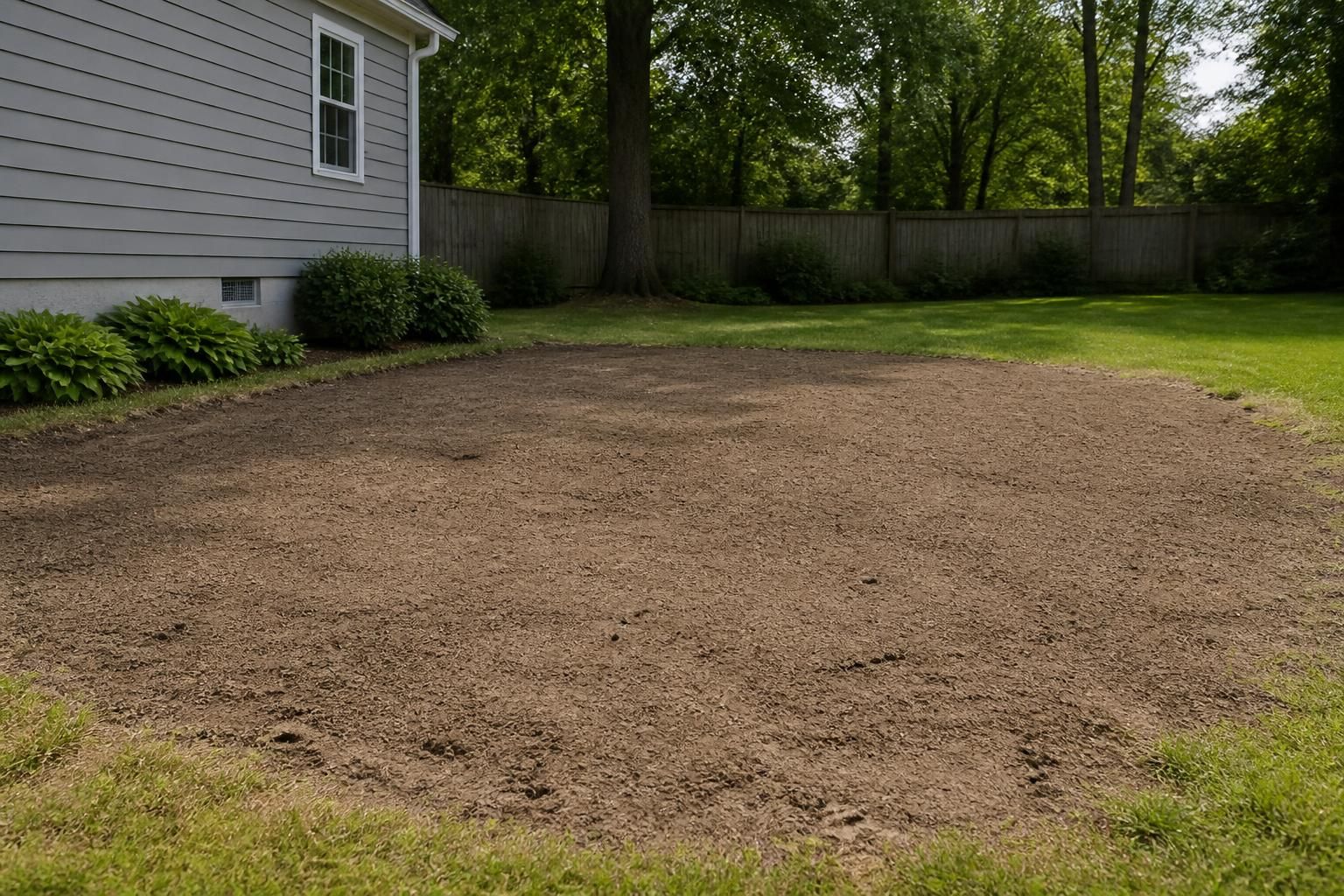
Safe septic demolition for property changes, tank removal, and site prep around Winnsboro.
Old septic tanks can become a problem when you are rebuilding, replacing a system, or clearing a property for new work. If the tank is no longer needed, leaving it underground can create a safety concern and complicate the next phase of the project.
Holt's Construction And Septic Tank Service helps homeowners and property owners around Winnsboro handle septic demolition with a clear plan, careful removal, and straightforward cleanup. If you need the old system taken out so your project can move ahead, we can look at the site and explain the next step.
Septic demolition is often the right move when a tank has reached the end of its use and the property will not continue with the same setup. It may also be needed when an old tank is left behind after a new installation, when a structure is being removed, or when site work calls for clearing buried septic parts.
Some owners first notice sinkholes, soft ground over the tank area, or a system that has been out of use for a long time. Others know the tank is no longer part of the property plan and want it addressed before other work begins. If you are not sure whether full removal is needed, we can help you sort out the practical side before digging starts.
Septic demolition is not just about digging up metal or concrete. It usually means identifying the buried system, taking out the parts that must be removed, and leaving the area ready for the next stage of work. At Holt's Construction And Septic Tank Service, we keep the job focused on what the site actually needs.
Every property is different, and the amount of removal needed depends on the tank type, depth, and access. We look at the area first so there are no surprises once the digging begins.
Septic demolition should be handled with a clear sequence. That keeps the work organized and makes the site easier to restore after the old system is removed.
This process matters because a septic tank can be larger and deeper than it appears from the surface. A careful approach helps avoid unnecessary disturbance to the rest of the yard or work area.
There are a few common situations that point toward septic demolition rather than another repair or pumping visit. If your property shows any of these signs, it may be time to plan removal.
If the tank has not been serving the property for a long time, leaving it underground can create more questions than value. It may be better to remove it before future projects move forward.
When a building is removed, rebuilt, or rearranged, the old septic setup may no longer match the new layout. Demolition clears the way for the next stage.
Soft spots, settling, or low areas above the tank can mean the old structure is no longer stable enough to leave alone. That is a strong reason to have it evaluated.
If a tank has been patched, altered, or partially abandoned over the years, full removal may be more practical than continuing to work around aging parts.
Septic demolition affects more than the tank itself. The work has to account for the condition of the soil, the depth of the buried system, and any nearby lines or structures that should remain untouched. A rushed removal can leave the site uneven or create problems for later work.
We approach septic demolition with the goal of making the property easier to use after the old system is gone. That means paying attention to access, limiting unnecessary digging, and making sure the removal supports whatever comes next, whether that is new construction, yard restoration, or other site work.
Holt's Construction And Septic Tank Service has been serving this area for over 40 years, and that experience helps when an older tank does not match the way a property is used now. Older systems often come with unknowns, and a measured approach is usually the safest way to handle them.
We handle septic demolition for properties around Winnsboro and throughout the surrounding 35 mile radius. That includes nearby towns and communities such as Ridgeway, Blythewood, Elgin, Lugoff, Camden, Columbia, Chapin, Lexington, Newberry, Fairfield, and West Columbia.
If your home, lot, or renovation site is outside the town limits but still within reach of Winnsboro, it may still fall within our service area. When you call, we can help confirm whether the location fits the work you need.
You do not need to uncover the tank before calling. A little information from the property owner helps us get started and makes the visit more productive.
If you are unsure about the location, that is common. Older tanks are often buried with little visible sign, and part of the job is helping identify what is underneath the surface.
If the property still uses the septic system, the tank may still be active even if it has not caused obvious trouble. If you are unsure, we can discuss the site history and look at the setup before removal planning starts.
Sometimes, but it depends on the property and the next use of the land. If the area will be disturbed by new work, leaving an old tank behind may not be the right choice.
After the tank is taken out, the opening is backfilled and the site is left ready for the next step. The exact finish depends on the scope of the project and the condition of the ground.
They often do. Older systems can be built from different materials and may be buried deeper or surrounded by older fill, so the work has to be adjusted to what is actually there.
Yes. Septic demolition is often part of preparing a property for new construction or layout changes. It helps clear the old system before other site work begins.
Yes, if you have them. Any old drawing, permit, or service note can help us understand the layout faster and reduce guesswork when the site is opened.
If you need septic demolition at a property around Winnsboro, Holt's Construction And Septic Tank Service can help you move from uncertainty to a clear plan. Call +18036354500 or email holtsseptictank@gmail.com to talk through the site and schedule the work.
Our office hours are Monday through Friday, 8:00 AM to 5:00 PM, and we are located at 264 Fagan Rd, Winnsboro, SC 29180, USA. When you are ready to clear out an old septic tank and get the property ready for what comes next, we are here to help.

Get Started
Let us know what is happening and we will help you choose the right service for your system.